Reduce, Reuse, Recycle: Sustainable Waste Management (Grade 4 Science)
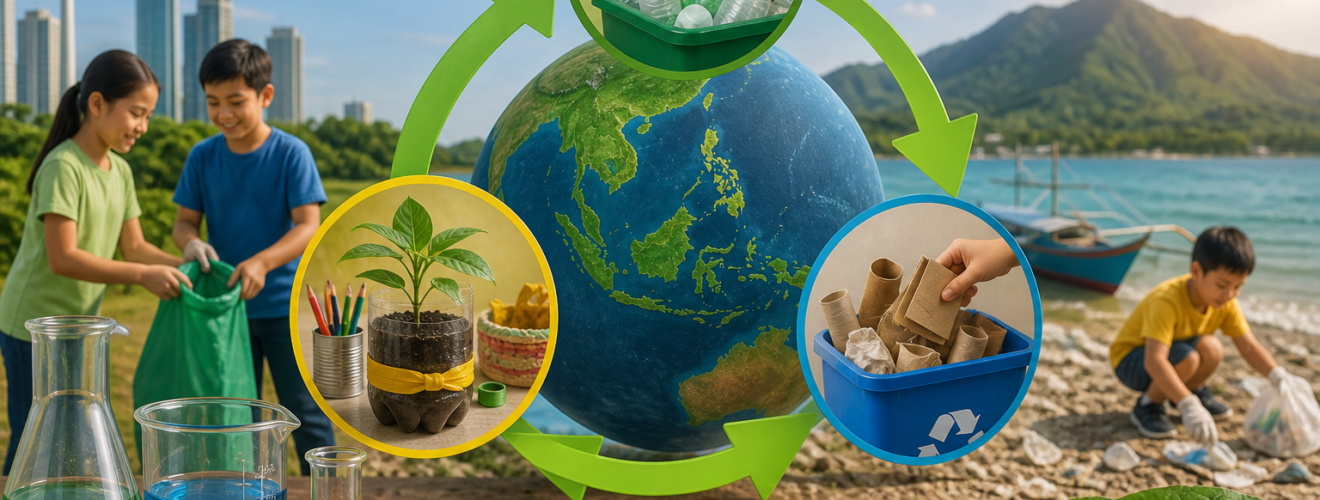
Sustainable waste management is a critical topic in the modern world. For students in the Philippines, understanding the science behind trash is vital. The country faces unique challenges with waste disposal due to its geography and growing population. By studying the concepts of reduce, reuse, and recycle, Grade 4 students can learn how chemistry plays a role in protecting the environment. This article explores the scientific principles of waste management within the Philippine context. It aims to provide a clear view of how chemical changes and material properties affect our planet. Through this lens, we can see how simple actions lead to significant ecological benefits.
The Fundamental Chemistry of Waste
Everything around us is made of matter. In science, we define matter as anything that has mass and takes up space. Waste is simply matter that is no longer in use. To manage waste, we must first understand what materials are made of. Different items have different chemical structures. For example, a plastic bottle is made of long chains of molecules called polymers. A piece of fruit is made of organic compounds like cellulose and water. These chemical differences determine how fast an item breaks down in nature. In the Philippines, the warm and humid climate speeds up some chemical reactions, which affects how we handle our trash.
Chemical changes occur when a substance turns into a new substance. When food scraps rot, they undergo a process called decomposition. Bacteria and fungi break down the organic matter into nutrients. This is a natural chemical process that enriches the soil. However, many man-made materials do not decompose easily. Synthetic polymers in plastics are designed to be strong and durable. This means they can last for hundreds of years in a landfill. Understanding these properties helps students see why some waste is more harmful than others. Chemistry teaches us that we cannot simply make matter disappear; we can only change its form.
The Principle of Reducing Waste
Pre-emptive Chemical Management
Reducing is the first and most important step in waste management. It involves using fewer resources to prevent waste from being created. From a chemical perspective, reducing waste means decreasing the demand for new material production. Every time a factory makes a plastic bag, it uses energy and chemical precursors. These processes often release carbon dioxide and other gases into the atmosphere. By choosing to use less, we reduce the chemical footprint left on the Earth. In Philippine schools, students are encouraged to use refillable water bottles. This simple act reduces the number of plastic polymers that enter the waste stream each day.
Reducing also involves choosing products with less packaging. Many items are wrapped in layers of plastic and foil. These materials are often hard to separate and recycle. When we reduce our consumption, we lessen the chemical load on our local ecosystems. The Philippines has seen a rise in “zero-waste” stores that promote this idea. These shops allow people to buy goods without excess plastic. This approach focuses on the source of the problem rather than just the symptoms. It teaches students that the best way to manage waste is to ensure it never exists in the first place.
The Science of Reusing Materials
Maintaining Molecular Integrity
Reusing is the act of using an item again for its original purpose or a new one. Unlike recycling, reusing does not involve breaking the material down chemically. It focuses on maintaining the physical and molecular integrity of the object. For example, a glass jar can be cleaned and used to store salt or sugar. The chemical structure of the glass remains the same throughout its life. This saves the energy that would be needed to melt the glass down and reshape it. In many Philippine households, people reuse tin cans as flower pots or pencil holders. This practice is a creative way to extend the life of a material.
The science of reuse also highlights the durability of certain materials. Metals and glass are excellent for reuse because they do not degrade quickly. Some plastics, however, can leach chemicals if they are reused too many times, especially when exposed to heat. This is an important safety lesson for Grade 4 science. Students learn that while reusing is good, they must understand the properties of the material. Using the right container for the right job is a key part of scientific literacy. Reusing helps keep trash out of Philippine waterways and protects marine life from ingesting harmful debris.
The Chemical Process of Recycling
Transforming Matter into New Resources
Recycling is a complex process that involves changing the physical and sometimes chemical state of waste. It turns discarded items into raw materials for new products. For instance, paper recycling involves mixing old paper with water and chemicals to create a pulp. This pulp is then pressed and dried to make new sheets of paper. During this process, the fibers are cleaned and bleached. This is a series of chemical reactions designed to refresh the material. In the Philippines, recycling centers play a major role in processing materials like aluminum cans and plastic bottles.
Plastics present a unique challenge in the recycling world. There are many different types of plastic, and they cannot all be melted together. Each type has a specific melting point and chemical makeup. If different plastics are mixed, the resulting material is often weak and brittle. This is why plastics are labeled with numbers inside a triangle. These numbers tell recyclers about the chemical family of the plastic. By sorting these items, we ensure that the chemical bonds in the new product are strong. Recycling saves raw materials and reduces the need for mining and drilling. It is a vital part of a circular economy where nothing goes to waste.
Sustainable Waste Management in the Philippine Context
Laws and Community Action
The Philippines has a specific law called the Ecological Solid Waste Management Act of 2000, also known as RA 9003. This law provides the framework for how cities and provinces should handle their trash. It encourages the use of Materials Recovery Facilities or MRFs. These are places where waste is sorted for composting or recycling. Chemistry is at work in MRFs through the process of composting organic waste. By controlling moisture and air, workers help bacteria turn food scraps into fertilizer. This fertilizer is then used by Filipino farmers to grow healthy crops. This cycle shows how waste can become a valuable resource again.
Community involvement is essential for these scientific processes to work. In many barangays, residents are taught to segregate their waste at home. This means separating “nabubulok” (biodegradable) from “di-nabubulok” (non-biodegradable). When waste is separated, the chemical processes of composting and recycling are much more efficient. If food waste is mixed with plastic, the plastic becomes dirty and harder to recycle. Grade 4 students are the future leaders who will enforce these habits. By learning the “why” behind waste segregation, they become better stewards of the Philippine environment. Their knowledge of chemistry helps them understand the impact of their daily choices.
Conclusion
The study of reduce, reuse, and recycle is more than just a classroom activity. It is a scientific approach to solving one of the most pressing issues in the Philippines. By understanding the chemistry of materials, students can make informed decisions about how they use and discard products. Reducing prevents chemical pollution at the source. Reusing preserves the energy and matter already in use. Recycling transforms old matter into new opportunities through chemical engineering. Together, these three strategies form a powerful defense against environmental decay. As Grade 4 students apply these lessons, they contribute to a cleaner, greener, and more sustainable future for the nation.
Sources
Department of Education. (2016). K to 12 Curriculum Guide: Science (Grade 3 to Grade 10). Pasig City, Philippines.
Environmental Management Bureau. (2021). Republic Act 9003: The Ecological Solid Waste Management Act of 2000. Department of Environment and Natural Resources.
Official Gazette of the Republic of the Philippines. (2001). Republic Act No. 9003. Retrieved from https://www.officialgazette.gov.ph/
World Bank. (2021). Market Study for the Philippines: Plastics Circularity Opportunities and Barriers. Washington, DC: World Bank.