
Keeping Our Classroom Clean: Simple Acts of Stewardship
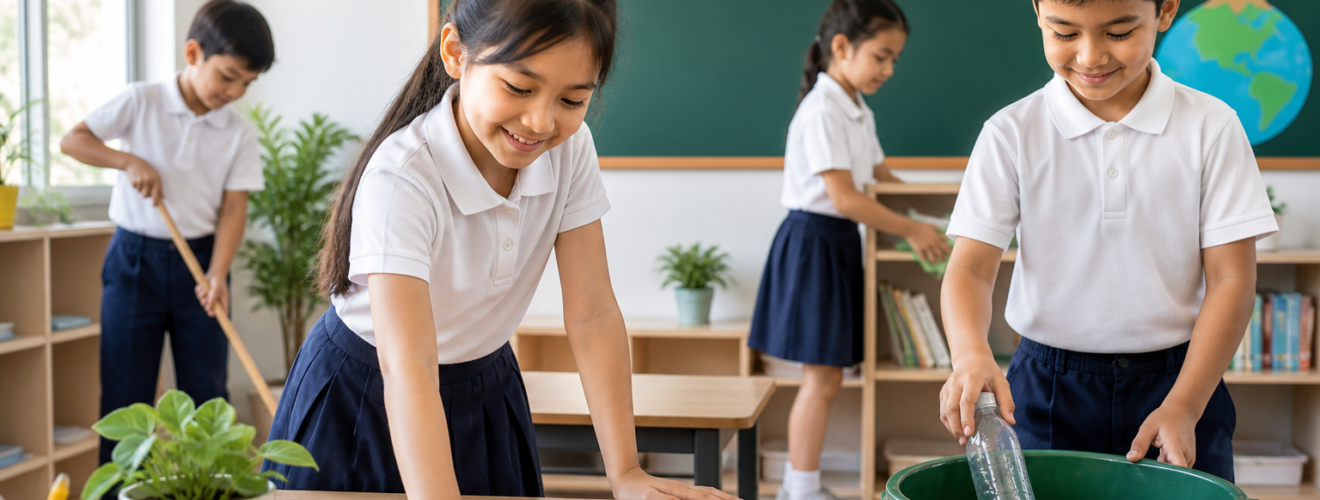
The classroom is more than just a place where we sit and listen to lectures. It is a shared home for our minds and our community. In this space, we work together to solve problems and learn new things. Because we spend so much of our time here, the state of the room matters. Stewardship is the act of taking care of something that does not belong to us alone. When we practice stewardship in our school, we show that we value our education. Keeping a clean room is not just about looks. It is about creating a place where every person can do their best work. This article looks at why a clean space helps us learn. It also explores how small acts of care can make a big difference for everyone.
A tidy classroom reflects the respect we have for our school and our peers. When we enter a room that is free of trash and clutter, we feel ready to work. It sends a message that the work we do here is important. On the other hand, a messy room can make us feel tired or stressed. Stewardship is a way to turn a simple room into a true center for learning. By taking care of our desks and our tools, we build a better world for ourselves. It is a simple goal that requires everyone to help. When we all play our part, the burden is light and the rewards are great for the whole group.
The Psychology of a Clean Learning Space
The way a room looks has a direct effect on how we think and feel. Many studies show that a clean space helps the brain stay on task. When there is too much visual clutter, the brain has to work harder to ignore it. This can lead to mental fatigue. If your desk is covered in old papers and trash, your mind might wander. A clear desk acts as a clear slate for your thoughts. It allows you to focus on the lesson without being pulled away by the mess around you. This simple change in the environment can lead to better grades and higher levels of focus for all students in the class.
Order in the physical world also brings order to the mind. When things are in their proper place, we feel a sense of calm. This calm is vital for learning complex new ideas. Stress and anxiety often go down when we are in a tidy room. We feel more in control of our day and our work. This sense of control is a key part of academic success. By keeping our classroom clean, we are actually helping our peers feel more relaxed. We are creating a space that supports mental health and deep thinking. In this way, stewardship is a form of kindness toward ourselves and others.
Reducing Distractions for Better Results
Distractions are the enemy of deep study. In a classroom, distractions can come from many places. Some are loud noises, but others are visual. A stray bottle on the floor or a pile of scraps on a table can catch the eye. Every time we look at these things, we lose a second of focus. Over a whole day, these seconds add up to many minutes of lost time. Stewardship helps us remove these silent distractions. When we pick up a piece of paper, we are helping the person next to us stay on task. We are ensuring that the focus remains on the teacher and the books. This leads to a more productive hour for everyone involved.
Building a Sense of Community and Respect
Stewardship is also a social act. It helps us build a sense of community within the school. When we work together to keep the room clean, we are acting as a team. We are saying that we care about the comfort of the next person who will sit in our chair. This builds trust and mutual respect among students. It moves us away from thinking only about ourselves. Instead, we begin to think about the “we.” A classroom that is well-kept is a sign of a group that works well together. It shows that we take pride in our collective home and that we value the effort of our classmates.
This respect also extends to the staff who clean our school. Janitors and custodial staff work very hard to keep our halls safe and tidy. When we leave a big mess, we are making their jobs much harder than they need to be. Simple acts like throwing away our trash or wiping down a spill show that we see and value their work. It is a way to practice empathy. We should aim to leave the room better than we found it. This teaches us to be responsible citizens. These small acts of grace build a culture of kindness that spreads throughout the entire school building.
The Role of Shared Accountability
Shared accountability means that everyone is responsible for the final result. In a classroom, no one person should have to do all the cleaning. If everyone does one small thing, the room stays perfect. This might mean checking under your chair before you leave. It might mean helping a friend organize their locker. When we hold each other to a high standard, the whole group improves. This sense of duty is a vital skill for life after school. In the workplace, people must work together to maintain their space. By learning this now, we are preparing for a successful future in any career we choose.
Practical Steps for Daily Stewardship
Maintaining a clean classroom does not have to be a big chore. It is easier when we break it down into small, daily habits. The first step is to manage our own personal space. This includes our desks and the floor around our feet. We should make sure that all trash goes into the bin right away. If we see something on the floor that does not belong there, we should pick it up even if we did not drop it. This is the heart of stewardship. It is taking action to fix a problem even if we are not the cause of it. These simple habits keep the mess from growing over time.
Another practical step involves the care of shared school tools. We often share books, laptops, and lab gear. We must treat these items with great care. When we finish using a book, we should put it back on the shelf neatly. If we use a computer, we should make sure it is plugged in and clean for the next student. Stewardship of these resources saves the school money. It ensures that the tools we need will last for many years. When we waste or break items, everyone loses out. Taking care of school property is a way to ensure that all students have what they need to succeed.
Organizing for Efficiency
Organization is a key part of cleanliness. A room can be free of trash but still feel messy if it is not organized. We should work with our teachers to keep shelves and bins in order. Labeling bins for paper, pens, and other supplies helps everyone know where things go. When we know where to find our tools, we save time. We can get straight to work instead of searching for a pencil or a ruler. This makes the school day run more smoothly. An organized room is an efficient room. It allows us to spend our energy on learning rather than managing clutter.
The Long-Term Benefits of Clean Habits
The habits we build in the classroom stay with us for a long time. Learning to be a steward of our space helps us become better adults. People who are organized and tidy often find it easier to manage their time. They are seen as more reliable by their bosses and friends. By practicing these simple acts now, we are training our brains for success. We are learning how to take pride in our surroundings. This pride leads to a happier life. It makes us feel good to know that we are doing our part to make the world a better and cleaner place.
Finally, keeping our school clean is good for the environment. When we recycle and manage our waste, we help the planet. Stewardship in the classroom is the first step toward stewardship of the Earth. We learn that our actions have an impact on the world around us. We see that we can be a force for good. Whether it is through saving paper or picking up plastic, we are making a choice. We are choosing to be active caretakers of our world. This mindset is the most important lesson we can learn in school. It is a lesson that will serve us well for the rest of our lives.
Conclusion: A Shared Goal for Success
In conclusion, keeping our classroom clean is a vital part of our education. It helps us focus, builds our community, and teaches us to be responsible. Stewardship is not a hard task, but it is an important one. It only takes a few seconds each day to make a difference. When we all work together, we create a space where everyone feels welcome and ready to learn. Let us take pride in our school and our shared home. By practicing simple acts of care, we show respect for ourselves and each other. A clean classroom is a sign of a bright future. Let us start today and keep our space a place of pride for everyone.
Sources
Durán-Narucki, V. (2008). School building condition, school attendance, and academic achievement in New York City public schools. Journal of Environmental Psychology, 28(3), 278-286.
Geller, E. S. (2001). The Psychology of Safety: How to improve behaviors and attitudes on the job. CRC Press.
Maxwell, L. E. (2016). School building condition, social climate, student attendance and academic achievement: A mediation model. Journal of Environmental Psychology, 46, 206-216.