Intellectual Property and Copyright Basics for Visual Artists
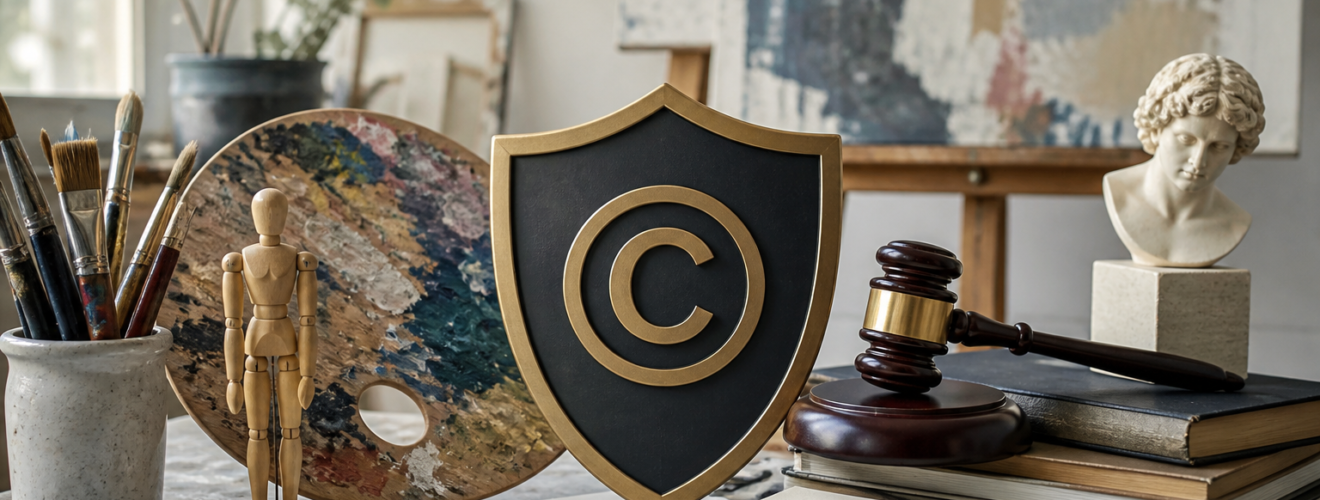
Visual art is a vital part of our culture and economy. It includes many forms such as paintings, drawings, and digital files. When an artist creates a new work, they produce something of value. This value is not just in the physical item. It is also in the idea and the form of the work. Laws exist to protect these creations. These laws are known as intellectual property rights. For visual artists, knowing these rules is very important. It helps them keep control over their work. It also helps them earn money from their talent. This article will explain the basics of copyright and intellectual property. It will focus on what every visual artist should know to stay safe in the modern world.
The Concept of Intellectual Property
Intellectual property is a broad term for creations of the mind. It covers inventions, names, and artistic works. In the world of art, the most common form of this protection is copyright. Copyright gives the creator the sole right to use their work. This means others cannot copy or sell the work without asking first. The law views an piece of art as a form of property. Just as you own a car or a house, you own the art you make. This ownership allows you to decide how the work is seen by the public. It also lets you decide who can make prints or digital copies of your art. Without these laws, it would be hard for artists to make a living.
Types of Intellectual Property
There are several types of intellectual property. Copyright is the main one for artists. However, other types may apply in some cases. Trademarks protect symbols or names used to identify a brand. An artist might use a trademark for a specific logo they use. Patents protect new inventions. These are rare in the fine arts but may apply to new tools or tech. Trade secrets protect private info that gives a business an edge. For most painters and sculptors, copyright is the tool they will use most. It starts the moment the work is created in a fixed form. This means the art must be on paper, canvas, or a digital drive.
How Copyright Works for Visual Artists
In many countries, copyright is automatic. You do not have to fill out forms to own your work. As soon as you draw a line or take a photo, you own the copyright. This is a very strong right. It lasts for a long time. In the United States, it lasts for the life of the artist plus seventy years. This means your heirs can benefit from your work long after you are gone. The right stays with the artist even if they sell the physical art. If you sell a painting to a collector, you still own the right to make prints of it. The buyer only owns the canvas and the paint. They cannot make shirts with your image on them unless you give them a license.
The Requirement of Fixation
To get copyright protection, the work must be fixed. This means it must be in a stable form. An idea in your head is not protected. You must put the idea into the real world. A sketch on a napkin counts as fixation. A file saved on a computer also counts. If you perform a dance but do not film it, it is not fixed. For visual artists, this rule is usually easy to meet. Every time you finish a piece, it is fixed. This simple act triggers your legal rights. It is a good habit to sign and date your work. This helps prove when the work was fixed if a dispute happens later.
Originality and Creativity
The law also requires the work to be original. It must show a small spark of creativity. You cannot copyright a simple circle or a single color. The work must be your own creation. It does not have to be a masterpiece. Even a simple doodle can have copyright. The key is that you did not copy it from someone else. If two people take a photo of the same sunset, both have a copyright. They each chose the angle and the time for the shot. This choice makes the work original. This protects your unique style and your specific choices as an artist.
The Rights Granted by Copyright
When you hold a copyright, you have a bundle of rights. The first is the right to reproduce the work. This means making copies. The second is the right to create derivative works. This means making new things based on the old work. For example, if you make a movie based on your painting, that is a derivative work. The third is the right to distribute copies. This involves selling or renting the art. The fourth is the right to display the work in public. These rights allow you to manage your career. You can sell these rights one by one. You can also give someone a license to use the work for a short time. This is how many artists earn royalty payments.
Moral Rights for Artists
In addition to money rights, some laws give moral rights. These rights are different from economic rights. They protect the bond between the artist and the work. The most common moral right is the right of attribution. This means you have the right to be named as the creator. Another is the right of integrity. This prevents people from changing your work in a way that hurts your name. Even if you sell the copyright, you may still have these moral rights. They ensure that your reputation stays safe. Not all countries treat moral rights the same way. It is wise to check the local laws where you live and work.
Infringement and Fair Use
Infringement happens when someone uses your work without permission. This is a big problem in the age of the internet. People often save images and post them on social media. While some use is okay, a lot of it is illegal. If someone sells your art as their own, they are breaking the law. You can take legal action to stop them. You can also ask for money to cover your losses. However, not every use is a crime. There is a concept called fair use. This allows people to use small parts of a work for specific reasons. These reasons include news reporting, teaching, or criticism. Fair use is a complex area of law.
Determining Fair Use
Courts look at four factors to decide if a use is fair. First, they look at the purpose. Is it for school or to make a profit? Second, they look at the nature of the work. Is the work very creative or just factual? Third, they look at how much was used. Using a tiny piece is more likely to be fair than using the whole thing. Fourth, they look at the effect on the market. Does the use make it hard for the artist to sell their work? If a person uses your art to teach a class, it might be fair use. If they put it on a poster to sell, it likely is not. Artists should learn these factors to protect their interests.
Steps to Protect Your Artistic Work
While copyright is automatic, you can take steps to make it stronger. One step is to use the copyright symbol. You can write the symbol, your name, and the year on your work. This tells the world that you claim ownership. Another step is to register your work with the government. In the United States, you register with the Copyright Office. This costs a small fee but offers big benefits. If you register, you can sue for more money in court. It also creates a public record of your claim. This makes it much easier to win a legal battle. Many artists register their best works as soon as they are done.
Best Practices for Digital Art
Digital artists face unique risks. It is very easy to copy a file. To stay safe, you can use watermarks. A watermark is a faint name or logo over the image. This makes it hard for others to use the image for free. You can also post low-resolution versions online. These look good on a screen but do not print well. This encourages people to buy the high-quality version from you. You should also keep good records of your work process. Save your early drafts and sketches. These files prove that you are the original creator. This evidence is very helpful if someone tries to steal your ideas.
Conclusion
Intellectual property is a key part of an artist’s career. It provides the legal tools needed to keep work safe and earn a living. By learning about copyright, artists can move through the art world with confidence. They can protect their style and their income. While the law can seem hard to learn, the basics are simple. You own what you create. You have the right to control how it is used. Taking small steps like registration and using watermarks can make a big difference. In the end, these laws help ensure that art stays a viable path for many. Protecting your art is not just about law. It is about valuing your voice and your vision as a creator.
Sources
Fishman, S. (2020). The Copyright Handbook: What Every Writer Needs to Know. Nolo.
Stim, R. (2022). Getting Permission: How to License & Clear Copyrighted Materials Online & Off. Nolo.
U.S. Copyright Office. (2021). Copyright Basics (Circular 1). Library of Congress.
World Intellectual Property Organization. (2016). Understanding Copyright and Related Rights. WIPO.