
The Primary and Secondary Sources of History: A Student’s Guide
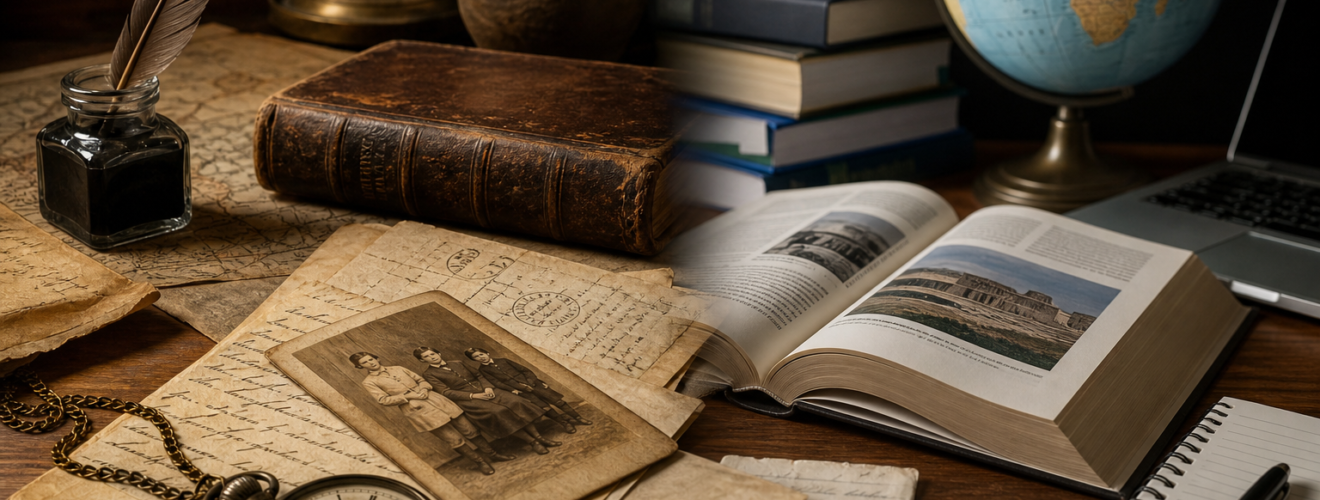
History is a field of study that relies on evidence to tell the story of the past. It is not just a collection of dates and names. Instead, it is a way to understand how people lived and how our world changed over time. To do this, researchers use various types of information. These items are known as historical sources. For any student of history, knowing the difference between these sources is a vital skill. This knowledge allows you to judge the quality of information. It also helps you build strong arguments in your own writing. This guide will focus on the two main types of evidence used by experts. These are known as primary and secondary sources.
A primary source is a piece of evidence that comes from the specific time being studied. It is an original record or an object created during that period. A secondary source is a work that is created after the fact. It involves the study, analysis, or summary of primary sources. Both are important for a full understanding of the past. While primary sources provide the raw data, secondary sources offer context and expert views. By using both, a student can see the whole picture of an event. This article will explain how to find, use, and think about these materials in your academic work.
Defining Primary Sources
A primary source is often called “firsthand” evidence. This is because it was made by someone who was there. They saw the event or took part in it. These sources have a direct link to the past. They give us a clear view of the thoughts and feelings of people at that time. Because they are original, they have not been changed by later opinions. They are the building blocks of historical research. Without them, we would not have any real proof of what happened long ago. Every history book starts with a look at these original items.
Common Types of Primary Sources
There are many kinds of primary sources. Written records are the most common type. This includes items like diaries, personal letters, and journals. These give us a look at the private lives of people. Official papers are also primary sources. These might be birth records, laws, or court papers. They show us how a society was run. Speeches and news reports from the time also count. They capture the public mood and the major events as they took place. In the modern era, things like emails or social media posts can also be primary sources.
Not all primary sources are written on paper. Physical objects, or artifacts, are very useful as well. This includes tools, clothing, coins, and buildings. An old tool can tell us how people worked. A piece of clothing can show us what they valued or what the weather was like. Images are another key type of source. Photos, maps, and paintings help us see the past with our own eyes. Even oral histories are primary sources. These are recorded interviews with people who lived through an event. All these items offer a unique perspective that you cannot find anywhere else.
The Value of Primary Evidence
The main value of a primary source is its directness. It allows you to get close to the people of the past. You can see their words and their work without any filter. This helps you understand their point of view. For example, a soldier’s letter home can show the fear and hope of war better than a textbook can. These sources also provide specific details. They might mention names, dates, or small facts that later writers might miss. Using these sources makes your own work more credible. It shows that you have looked at the real evidence and formed your own thoughts.
Defining Secondary Sources
A secondary source is one step away from the event. It is created by someone who did not experience the event firsthand. Instead, the author looks at primary sources and other secondary sources to explain what happened. These works often come much later than the events they talk about. The goal of a secondary source is to interpret and analyze the past. They do not just list facts. They try to explain why things happened and what they mean. For students, these are often the most common sources found in libraries and classrooms.
Examples of Secondary Sources
The most common secondary source is the textbook. A history textbook takes thousands of years of information and puts it into a short format. It summarizes what experts have found. Scholarly books and journal articles are also secondary sources. These are written by historians who have spent years studying a topic. They look at many primary sources to build a new theory. Biographies are another good example. A biography of a famous person uses their letters and speeches to tell their life story. Documentaries and history websites also fall into this group.
Reviews and critiques are also secondary sources. These are short pieces where one expert talks about the work of another. They help us see how ideas about history change over time. Even an encyclopedia entry is a secondary source. It gives a quick overview of a topic based on existing research. These sources are very helpful when you are starting a project. They give you the big picture before you dive into the specific details found in primary records. They help you see the forest before you look at the individual trees.
The Role of Interpretation
The biggest strength of a secondary source is analysis. A historian can look at many different sources at once. They can compare a diary from one person with a law from another city. This allows them to find patterns that a person living at the time might not see. They provide the context that makes the past make sense. They also help to settle conflicts between different primary sources. If two letters say different things, a secondary source can explain why that might be. These works give us the “why” and the “how” of history, not just the “what.”
The Relationship Between Sources
It is important to see that primary and secondary sources work together. They are not in competition. Instead, they form a partnership. A primary source gives you the evidence, and a secondary source gives you the argument. Think of a court case. The primary sources are like the fingerprints or the video of the crime. The secondary source is like the lawyer’s speech that explains what the evidence proves. You need both to reach a fair conclusion. Without primary sources, history would just be a series of guesses. Without secondary sources, we would have a pile of facts but no clear story.
A source can also change types based on how you use it. This is a tricky but vital point for students. If you are studying the Civil War, a book written in 2020 about the war is a secondary source. However, if you are studying how people in 2020 viewed the war, that same book becomes a primary source. It shows the thoughts and culture of the year 2020. This shift happens because the “time being studied” has changed. Always ask yourself if the source was made during the time you are researching. This will help you place it in the right category.
Evaluating Your Sources
Not all sources are equal. Just because something is a primary source does not mean it is always true. A person might lie in their diary. A newspaper might get the facts wrong. This is why you must evaluate every source you find. Look for bias. Bias is when a person’s own views or goals change how they report the facts. Ask who wrote the source and why they wrote it. Was it meant to be private, or was it meant to persuade the public? Knowing the author’s intent helps you decide how much to trust the information.
For secondary sources, look at the quality of the research. Does the author cite their sources? Do they use a variety of primary evidence? A good secondary source will always show its work. You should also check the date of the source. History is always being updated as new primary sources are found. An older book might be missing new and important facts. By checking multiple sources against each other, you can find the most accurate version of the past. This process is called cross-referencing. It is the hallmark of a good student and a true historian.
Conclusion
Learning to use primary and secondary sources is a key part of your academic growth. Primary sources bring the past to life. They offer a direct connection to the people and events of long ago. They provide the raw material for all historical thought. Secondary sources offer the expertise and context needed to make sense of that raw material. They help you see how events fit together in a larger story. By using both, you can build arguments that are both deep and well-supported. As you move forward in your studies, always keep a curious mind. Look for the original voices in primary records. Then, listen to the expert views in secondary works. This balance will make you a better researcher and a clearer thinker. History is a vast and exciting field, and these sources are the keys to unlocking its many secrets.
Sources
Howell, M. C., & Prevenier, W. (2001). From reliable sources: An introduction to historical methods. Cornell University Press.
Marwick, A. (2001). The new nature of history: Knowledge, evidence, language. Palgrave.
Presnell, J. L. (2006). The information-literate historian: A guide to research for history students. Oxford University Press.