Who are Refugees
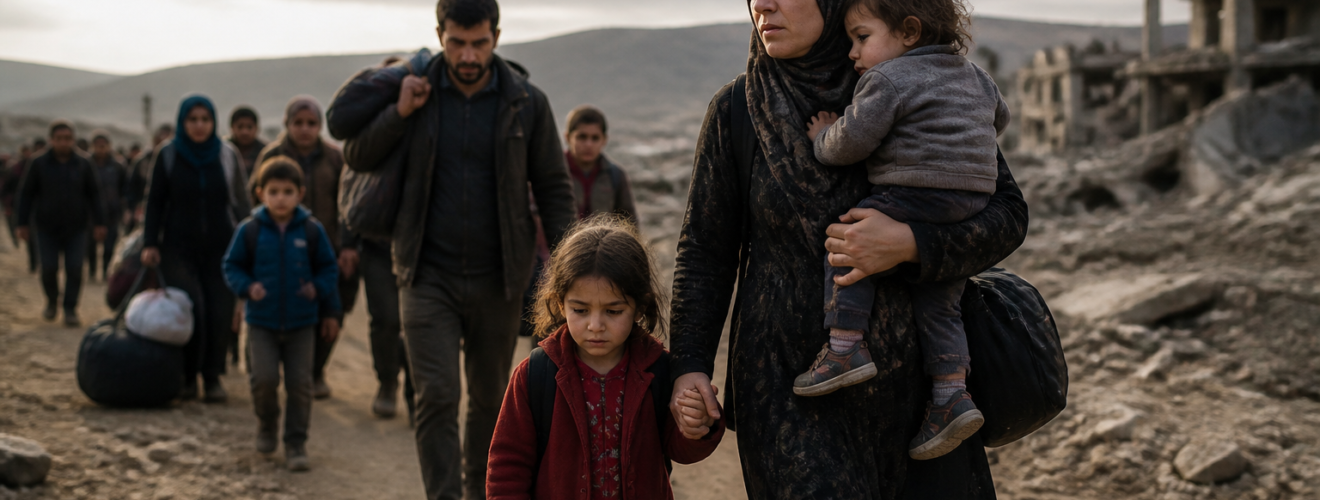
The term refugee is often used in the news and in politics today. At its core, the term describes a person who must leave their home to stay safe. These people do not leave by choice. They leave because they face threats like war or harm. While many people move to find better jobs, refugees move to save their lives. They lose their homes, their jobs, and often their families. This makes them a very vulnerable group in our global society. International law provides specific rules to help these people. These rules ensure that they find safety when their own countries fail to protect them. In this article, we will look at who refugees are and the laws that guide their care. We will also see how they differ from other groups of people on the move.
Understanding the definition of a refugee is the first step in helping them. According to the United Nations, a refugee is someone who is outside their country of origin. They are unable or unwilling to return because of a well-founded fear. This fear is usually linked to their race, religion, or nationality. It can also be linked to their membership in a social group or their political views. Because they are at risk, they cannot rely on their own government for safety. This lack of state protection is what makes a refugee different from a tourist or a student abroad. They are in a state of legal limbo until another country grants them safety. This definition helps the world decide who gets special aid and legal rights. It ensures that aid goes to those in the most danger.
The Legal Basis for Protection
The main law for refugees is the 1951 Convention Relating to the Status of Refugees. This was created after World War II to help people in Europe. It set out the basic rights of those who flee. Later, in 1967, a new protocol was added. This rule made the laws apply to people all over the world and not just in Europe. Together, these two documents form the bedrock of refugee law. They state that refugees should not be sent back to a country where they face danger. This is a very important rule known as non-refoulement. It is the most vital right for any person seeking safety. If a country breaks this rule, it puts a person’s life in great peril. Most countries in the world have signed these papers and agreed to follow them.
These laws also list the rights that a refugee has once they arrive in a new land. For instance, they have the right to a place to stay and the right to work. They also have the right to go to school and receive health care. While they are in a new country, they must also follow its laws. The goal of these rules is to allow refugees to live with dignity. They are not just victims; they are people who need a chance to rebuild. The 1951 Convention ensures that they are treated as humans with rights. It prevents them from being treated as criminals just because they crossed a border without a visa. This legal shield is vital for millions of people every year.
Refugees Versus Migrants
It is very common for people to mix up the terms refugee and migrant. However, the legal difference is very large. A migrant is someone who chooses to move to another country. They often move to find a better job, to study, or to join their family. Even if their move is hard, they still have the protection of their home country. If they want to go back home, they can do so safely. Their move is a choice based on their goals for a better life. This is not the case for a refugee. A refugee has no choice but to leave. If they stay, they may be killed or put in jail. Their move is a matter of life and death.
This distinction is important for governments. Governments can control who enters their country for work or school. They have laws that set limits on how many migrants can arrive each year. But for refugees, the rules are different. Since refugees are fleeing for their lives, countries have a duty to help them. They cannot just turn them away at the border. Mixing these two terms can lead to confusion. It can cause people to think that refugees are just looking for better jobs. While refugees do want to work, their main goal is safety. Using the right words helps us understand the needs of each group.
Internally Displaced Persons
There is another group called Internally Displaced Persons or IDPs. These people are often mistaken for refugees as well. Like refugees, IDPs flee their homes because of war or harm. However, they do not cross an international border. They stay within their own country. They might move to a different city or live in a camp in a safe zone. Because they stay in their own country, they are still under the care of their own government. This can be very hard if their own government is the one causing the harm. IDPs often face more danger than refugees because they are closer to the fighting. They also do not have the same legal protections as refugees under international law. There are many more IDPs in the world than there are refugees.
The Causes of Flight
War is the most common reason why people become refugees. When bombs fall on cities, people must run to stay alive. In the last ten years, wars in places like Syria and Ukraine have forced millions to flee. These people leave behind everything they own. They often travel for weeks with very little food or water. War destroys schools, shops, and hospitals. It makes life impossible for civilians. When the fighting starts, the only way to survive is to leave. This type of flight is often sudden and very scary. People may only have minutes to pack a small bag before they run.
Persecution is another major cause of flight. This happens when a group of people is targeted for who they are. They might be treated badly because of their religion or their skin color. Sometimes, people are hunted because they speak out against the leaders of their country. This kind of harm is planned and steady. It makes the person feel like they have no future in their home. They live in fear of being arrested or hurt every day. For these people, seeking asylum in another country is the only way to find peace. They look for a place where they can be themselves without being afraid. This right to live freely is a basic part of human rights.
In recent years, climate change has also started to drive people from their homes. While “climate refugee” is not yet a legal term, the issue is real. Rising seas and big storms can destroy whole islands and farms. If a person can no longer grow food or live in their house, they must move. Droughts can lead to food shortages and even war over water. As the world gets warmer, more people will likely be forced to leave their lands. Experts are now debating how to update the laws to help these people. They face many of the same risks as those fleeing war. It is a new challenge for the global community.
The Role of the Global Community
The United Nations has a special agency to help these people. It is called the UNHCR, or the UN Refugee Agency. This group works all over the world to save lives and protect rights. They provide tents, clean water, and food to people in camps. They also help refugees find a new home in a different country. This is called resettlement. The UNHCR works with governments to make sure that the laws are followed. They are often the first on the ground when a new crisis starts. Without their work, many more people would suffer or die. They rely on money from different countries to keep their programs running.
Host countries also play a very big role. Most refugees stay in countries that are near their home. These host countries often have their own problems with money or space. Taking in thousands of people is a large task. It puts a lot of stress on schools and hospitals. However, many countries show great kindness. They open their borders and share their resources. In some cases, refugees can stay for many years. They might even become citizens of the new country one day. This process takes time and a lot of help from the local people. It is a shared duty for the whole world to support these host nations.
Conclusion
Refugees are people who are just like us but have lost everything. They flee not because they want to, but because they have to. The laws that protect them are vital for a fair world. By knowing who they are, we can better support the efforts to help them. Whether they flee war, hate, or a changing climate, they deserve safety and respect. The global community must work together to find solutions. This includes stopping the wars that make people flee in the first place. Until the world is at peace, the rights of refugees must remain a top priority. Every person has the right to live without fear in a place they can call home.
Sources:
Betts, A., & Collier, P. (2017). Refuge: Transforming a Broken Refugee System. Oxford University Press.
Hathaway, J. C. (2021). The Rights of Refugees under International Law (2nd ed.). Cambridge University Press.
UNHCR. (2021). What is a Refugee? Retrieved from https://www.unhcr.org/what-is-a-refugee.html
Zimmermann, A. (2011). The 1951 Convention Relating to the Status of Refugees and its 1967 Protocol: A Commentary. Oxford University Press.