Navigating Fake News: Philosophical Methods for Verifying Truth
Navigating Fake News: Philosophical Methods for Verifying Truth
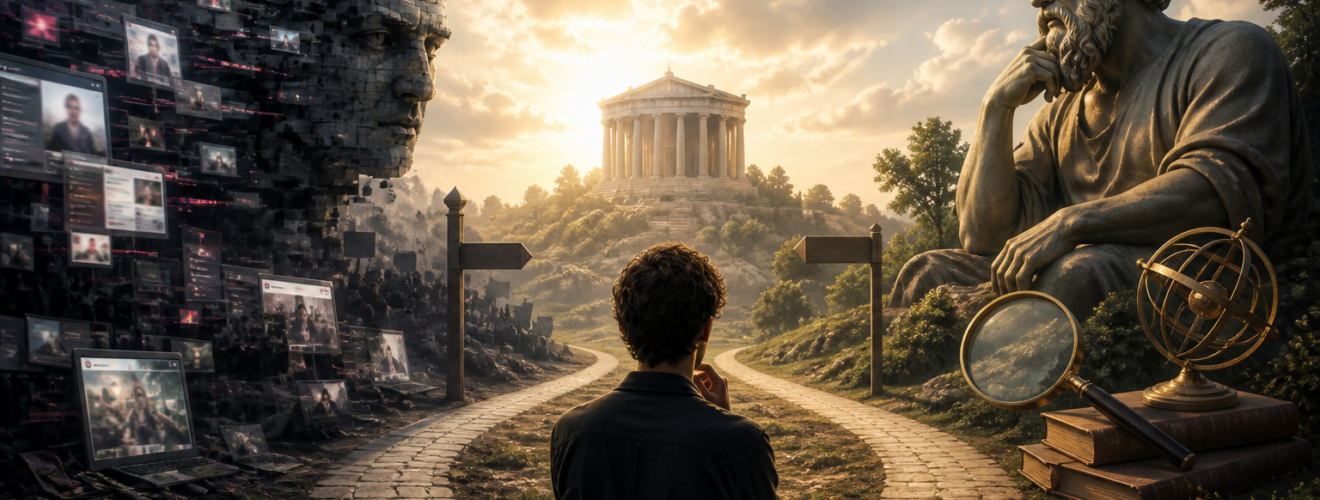
The rise of digital media has changed how we get news. Today, most people find facts on social sites. This speed is good for sharing ideas. However, it also lets false stories spread fast. We often call these stories fake news. This is a major problem for our world. It makes it hard for people to trust what they read. When truth is hard to find, people feel lost. They may make choices based on lies. To fix this, we can use tools from philosophy. This field of study helps us think clearly. It shows us how to tell what is real and what is not. This article will look at how we can use logic to find the truth in a busy digital age.
The issue of fake news is not just about bad facts. It is also about how our minds work. We tend to believe things that make us feel good. We also like stories that fit what we already think. This is a natural human habit. But in a world of online bots and paid ads, it is a risk. We need a way to look past our feelings. Philosophy offers a path to do this. It teaches us to slow down. It shows us how to test every claim we see. By using deep thinking, we can protect ourselves from lies. We can learn to spot truth even when it is hidden under many layers of noise.
The Nature of Truth
To stop fake news, we must first ask what truth is. This is a very old question in philosophy. There are two main ways to look at this. The first is called the correspondence theory of truth. This idea is simple. A statement is true if it matches the real world. If a news post says a fire is burning in a city, we check the city. If there is a fire, the news is true. If there is no fire, the news is false. This sounds easy, but the web makes it hard. We cannot always go to the city ourselves. We must trust other sources. This is why we need to check if the source has a good history of being right.
The second idea is the coherence theory of truth. This view says a fact is true if it fits with other things we know. We have a web of beliefs in our minds. If a new story says that gravity has stopped working, we will doubt it. Why? Because it does not fit with our past facts. It does not match the laws of science we have tested. When we see a wild story online, we should ask if it fits the big picture. Does it clash with everything else we know? If a story seems too strange to be true, it likely is. Using both of these views helps us build a strong filter for new info.
The Role of Epistemology
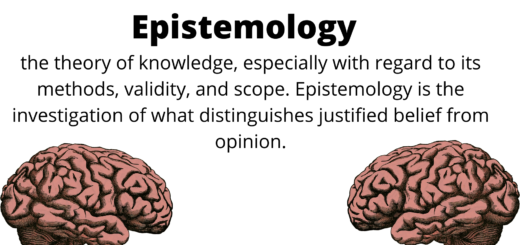
Epistemology is the study of knowledge. It asks how we know what we know. In the age of fake news, this is a vital skill. We must be aware of our own limits. We often trust things because our friends share them. This is called social proof. But friends can be wrong too. A wise thinker knows that truth does not depend on how many people like a post. Truth depends on proof. We must look for the “why” behind every claim. If a story has no proof, we should not treat it as a fact. This helps us stop the spread of lies before they grow.
Logical Tools for Verification
Logic is a powerful tool for checking the news. One great method is the Socratic method. This involves asking a series of hard questions. When you see a news link, ask yourself who wrote it. Ask what they want you to feel. Ask where they got their data. If the writer uses angry words, they might want to cloud your mind. If they do not name their sources, be careful. By asking these questions, we break the spell of the story. we move from being passive users to active thinkers. This is the best way to stay safe online.
Another tool is called Ockham’s Razor. This rule says that the simplest answer is often the right one. Fake news often relies on complex plots. It might claim that a group of people is secretly ruling the world. These stories require many strange things to be true at once. Usually, a simpler reason exists. Maybe the story was made to get clicks. Maybe it was a mistake. When we use Ockham’s Razor, we cut through the noise. We look for the most likely truth. This prevents us from falling into rabbit holes of false ideas. It keeps our feet on the ground.
Healthy Skepticism vs. Cynicism
It is important to know the difference between doubt and hate. Healthy skepticism means we wait for proof. We do not believe everything right away. We look at the facts first. This is a good thing. But cynicism is different. A cynic thinks that everyone is lying all the time. They think there is no such thing as truth. This is a dangerous way to live. If we think everything is a lie, we stop looking for the truth. Philosophy teaches us to be skeptics, not cynics. We should keep an open mind but also a sharp eye. We must believe in the truth even if it is hard to find.
Ethical Responsibility in Sharing
Truth is not just a matter of facts. It is also a matter of ethics. We have a duty to others when we share news. If we share a lie, we may hurt people. We might cause fear or hate. This is why we must check every post before we click “share.” Philosophy calls this epistemic virtue. This means being a “good” thinker. A good thinker is fair and honest. They care about the truth more than being right. They are willing to change their mind when new facts appear. If we all did this, fake news would lose its power. The web would be a safer place for everyone.
We can also look at the ideas of Immanuel Kant. He said we should act in a way that we want everyone else to act. If you share a story without checking it, are you okay with everyone doing that? If everyone shared lies, the world would be a mess. No one would know what to believe. By checking our facts, we follow a higher rule. We help build a culture of truth. This is a small act, but it has a big impact. Our choices online shape the world we live in. We should choose to be part of the solution, not the problem.
Conclusion
Fake news is a test for our modern world. It tests our minds and our hearts. Technology has made it easy to lie, but philosophy makes it possible to find the truth. By using logic and old theories of truth, we can see through the fog. We must learn to ask the right questions. We must be willing to doubt what we see at first. Most of all, we must care about what is true. Truth is the base of a free and fair society. Without it, we cannot work together. Using philosophical tools is not just for scholars. It is for every citizen who uses the web. If we stay sharp and stay fair, we can win the fight against fake news. We can make the digital world a place of light and truth once again.
Sources
Frankfurt, H. G. (2005). On Bullshit. Princeton University Press.
Lazer, D. M. J., Baum, M. A., Benkler, Y., Berinsky, A. J., Greenhill, K. M., Menczer, F., … & Schudson, M. (2018). The science of fake news. Science, 359(6380), 1094-1096.
Lynch, M. P. (2016). The Internet of Us: Knowing More and Understanding Less in an Age of Big Data. Liveright Publishing.
Wardle, C., & Derakhshan, H. (2017). Information disorder: Toward an interdisciplinary framework for research and policymaking. Council of Europe.